
A warm, practical legals only marriage guide for Hunter couples who want a simple wedding, clear steps, legal peace of mind and less stress.
Sometimes the biggest wedding decision is realising you do not actually want a big wedding.
If that sounds like you, this legal-only marriage guide is here to make the process feel simple, clear and far less overwhelming. For many couples, a legal-only marriage is not a lesser option. It is the right one - calm, meaningful, affordable, and focused on what matters most.
What a legals-only marriage actually means
A legals-only marriage is the simplest form of wedding ceremony allowed under Australian law. It covers the legal requirements needed for you to be officially married, without the extra elements of a traditional or fully personalised ceremony.
That usually means no long aisle moment, no detailed storytelling, no readings, and no big run sheet unless you want to add a few light touches around the legal component. The ceremony itself is brief, but that does not make it cold or impersonal. Simple can still feel warm and genuine.
For some couples, this is the whole wedding. For others, it is the legal part done now, with a larger celebration later. There is no single right way to do it.
Why couples choose a legals-only wedding
The reasons are often practical, but they are also deeply personal.
Some couples want to keep things private. Some are planning around family pressure, budgets, travel, health, or timing. Some are organising a bigger celebration later and want to separate the legal paperwork from the party. Others simply do not enjoy being the centre of attention and would rather keep the ceremony small and easy.
A legal-only wedding can also suit couples who have already built a life together and do not feel the need for a big formal event. They want to be married, not perform a wedding.
That choice can be incredibly freeing. It strips away the noise and leaves space for a moment that feels honest.
The legal requirements in Australia
This is the part that matters most. A marriage can be beautifully simple, but it still needs to meet the legal requirements.
First, you need to lodge a Notice of Intended Marriage. In most cases, this must be submitted at least one month before your wedding date. There are limited situations where a shorter timeframe may be approved, but that is an exception rather than the norm.
You will also need to provide the correct identity documents. Exactly what is needed can vary depending on your circumstances, but this often includes photo ID and evidence of date and place of birth. If either of you has been married before, documents showing that the previous marriage ended will also be required.
On the day itself, you need an authorised celebrant, two witnesses over 18, and the required legal wording to be spoken during the ceremony. Without those pieces in place, it is not a valid marriage.
That is why working with a celebrant who explains things clearly can make such a difference. The paperwork side is not difficult, but it does need to be done properly.
A legal-only marriage guide to the actual process
The process is usually more straightforward than couples expect.
You make an enquiry, choose a date, time and location, and complete the Notice of Intended Marriage with your celebrant. Your documents are checked, your details are confirmed, and the legal ceremony is prepared. On the day, the ceremony is conducted with the required wording, the documents are signed, and the marriage is registered.
That is the legal side handled.
What changes from one couple to another is the feel of the day. One pair might meet at a quiet garden with two close friends as witnesses. Another might sign the paperwork at home before heading out to dinner. Someone else might book a legal-only ceremony now and save the vows, styling and celebration for a later date.
All of those choices are valid.
How long does a legals-only ceremony take?
The ceremony itself is usually quite short. Often, the formal part takes around five to ten minutes, depending on whether you include a brief welcome or a couple of personal words.
That said, allow more time overall so nobody feels rushed. You still want time to arrive, settle in, check names and documents, complete the signing, and perhaps take a few photos afterwards.
Short does not have to mean hurried. A relaxed fifteen or twenty minutes can feel far nicer than trying to squeeze the whole experience into a tiny gap in the day.
Can it still feel special?
Absolutely. This is one of the biggest misconceptions around legal-only weddings.
Minimal does not mean meaningless. Even if the ceremony is brief, the moment can still carry real emotion. The setting matters. The people present matter. Your energy on the day matters. Sometimes a simple exchange in a peaceful space feels far more intimate than a large production.
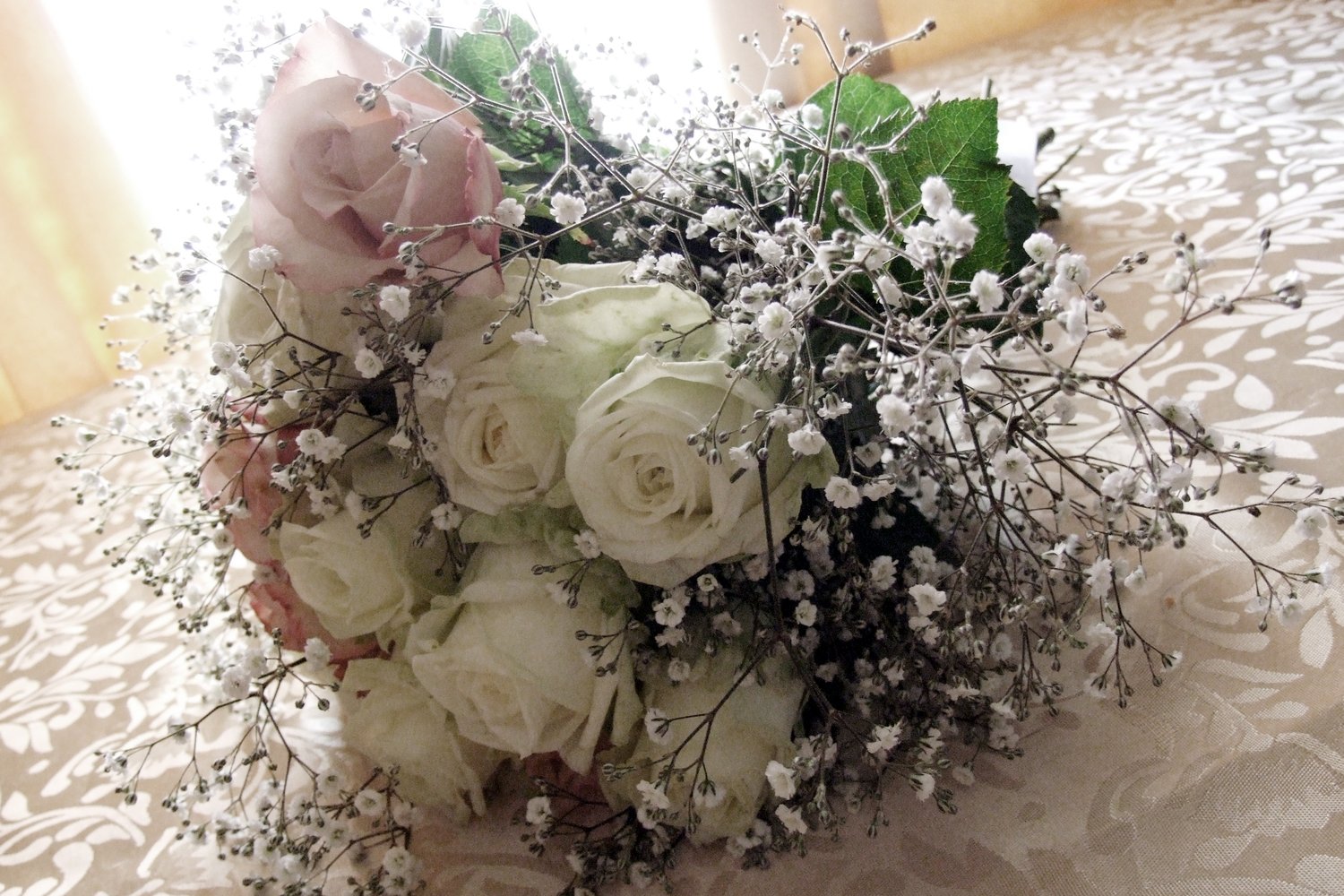
If you want a touch more personality without turning it into a full ceremony, there are gentle ways to do that. You might choose a favourite spot in the Hunter, wear something that feels like you, bring a small bouquet, or share private vows with each other before or after the legal wording. Those details can hold plenty of heart without adding fuss.
What a legal-only wedding does not include
This is where clear expectations help.
A legal-only ceremony is designed to meet the legal requirements of marriage. It is not usually the same as a fully personalised ceremony with a detailed script, love story, symbolic ritual, rehearsal, music cues, and guest-focused structure.
If you are after something immersive and highly tailored, a legal-only format may feel too brief. On the other hand, if your goal is to keep things easy, private and cost-conscious, it can be exactly right.
It really comes down to what kind of experience you want. There is no point paying for a larger ceremony if your heart is not in it. Just as there is no point choosing the smallest option if you know you will miss the chance to mark the moment more fully.
Choosing the right location
One of the nicest things about a legal-only marriage is its flexibility.
You do not need a large venue to make it work. A quiet park, a private property, a simple ceremony space, or even your home can suit beautifully, as long as the setting is practical and appropriate for the legal paperwork and witness requirements.
When choosing a location, think beyond photos. Consider weather, privacy, seating if needed, noise, travel time, and whether everyone can comfortably access the space. A pretty spot loses its charm quickly if it is windy, crowded, or difficult to reach.
For local couples, the Hunter Valley and surrounding areas offer plenty of beautiful settings that work well for small ceremonies. The best location is usually the one that feels easy, comfortable and true to you.
Questions to ask before you book
A good legals-only wedding should feel simple from the first conversation. If it feels confusing, ask for further explanation.
Ask what is included in the service, what paperwork support is provided, how many guests can attend if any, whether witnesses can be arranged if you don't have anyone in mind, and how the marriage registration is handled after the ceremony. It is also wise to ask how flexible the format is if you want a few personal touches while still keeping the ceremony legally focused.
The right celebrant will not make you feel silly for wanting something small. In fact, they should help you feel confident in the choice.
Is a legals-only marriage right for you?
This legals-only marriage guide would be incomplete without saying this plainly: it depends.
If you want a no-fuss way to be legally married, it is often a wonderful fit. If you value privacy, ease, affordability and clarity, it can take a lot of pressure out of wedding planning. If you want a big shared experience with family and friends, you may prefer a fuller ceremony.
Some couples are surprised to find they want both - a simple legal ceremony now and a more personal celebration later. That middle ground can work beautifully.
At its heart, a wedding does not need to be large to be real. It just needs to feel right for the two people making the promise. If simple feels like you, that is more than enough.
END
Written with AI assistance through Trysoro. Edited by Llynda Nairn for accuracy. https://llyndanairn.au
Comments ()